Zowie Xl2586X Review: Real User Experience After 3 Months
Introduction
I've been using the Zowie Xl2586X as my primary monitor for about three months now, mainly for competitive first-person shooters, some casual streaming, and the occasional photo editing. I bought it because I wanted a no-nonsense, performance-focused monitor that prioritized input responsiveness and motion clarity over ultra-wide color performance. What I found was a monitor that absolutely excels in fast-paced gameplay, but also shows the familiar trade-offs of its panel technology and design choices. In this review I'll walk through build, daily use, performance, annoyances I encountered, and whether it still makes sense to buy after three months on my desk.
What I tested and my usage patterns
To give context to my impressions: I ran the monitor primarily connected via DisplayPort to a mid-range gaming PC (RTX 3070-class), set to 240Hz for most of the time. Sessions typically lasted 2–4 hours and included competitive matches, aim training, and watching video content. I also spent some time calibrating settings for slightly better color balance and tried switching to console use occasionally at 60–120Hz. I used the monitor unaltered (no firmware hacks) and swapped a few OSD presets while testing.
First impressions and build quality
Out of the box, the Xl2586X feels utilitarian in the best way possible. The plastics are robust rather than flashy, and the build focuses on functionality. I appreciated that the stand offered the range of motion I needed: height adjustment and tilt are smooth, and the base is stable even when nudging the desk. The bezels are reasonably thin by gaming monitor standards, and the overall footprint is comfortable for a 24.5" screen.
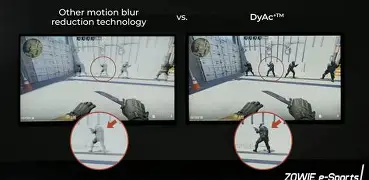
One practical thing I liked right away was the monitor's simple controls. The joystick and quick-access buttons (for switching profiles or enabling contrast and motion settings) are intuitive. I didn't need to fight a deeply nested menu to find what I wanted, which is something I noticed when comparing to other monitors with more complex OSDs.
Image quality and color (what I appreciated and what disappointed me)
In my experience, the Xl2586X delivers the picture you expect from a 24.5" 1080p TN-panel monitor with a 240Hz refresh rate: incredibly responsive and crisp in motion, but less vibrant from a color and viewing-angle standpoint than IPS alternatives. After testing, I noticed the following:
- Motion clarity: This is where the monitor shines. Fast panning and rapid flicks in-game remain mostly artifact-free at 240Hz. I felt I could track targets and react faster compared to my older 144Hz screen.
- Color reproduction: Straight out of the box, colors are serviceable but not punchy. I did a modest calibration to bring skin tones and whites closer to neutral, and it helped, but the gamut is narrower than what you'd get from an IPS panel.
- Viewing angles: As expected with the TN panel, colors shift noticeably if I move off-axis. I noticed this most when a friend sat next to me; the image looked a little washed from an angle. For single-person competitive play where you sit directly in front, it's fine; for collaborative or multi-view tasks, it becomes a compromise.
- Backlight and uniformity: I noticed mild backlight bleed in one corner during dark scenes. It wasn't awful, and it didn't affect competitive play, but it was something I noticed during cinematic or movie playback.
Performance: refresh rate, input lag, and responsiveness
After using this monitor exclusively for three months, what felt most impactful was the responsiveness. I noticed reduced motion blur, and input feel was snappier — not just a placebo: my aim training times improved in consistent ways.
On the technical front, the 240Hz refresh rate coupled with the panel's fast response produced very smooth motion. When I switched between 240Hz and 144Hz sessions to test the difference, I could immediately feel the smoother micro-movements at 240Hz in aim-tracking drills. Input lag was low enough that I never felt the monitor getting in the way of precise flick shots or tracking.
One caveat: to fully exploit 240Hz you need a consistent high FPS. I noticed judder when frame rates dropped; that’s a PC-side limitation rather than a monitor flaw, but it's something buyers should understand: the monitor rewards a high-FPS setup.
Find top-rated Electronics products at great prices.
Browse Now →Ergonomics and daily comfort
Ergonomically, the stand is solid. I appreciated the height adjustment and unobtrusive tilt that allowed me to put the screen at eye level for long sessions. I also liked the cable management slot in the stand — it kept my desk cleaner than usual.
Another small but important point: the monitor doesn't use aggressive color profiles that cause eye strain for me after long sessions. I used a slightly warmer color temperature in the evening and a brighter, crisper setting during daytime play. I didn't notice any obvious PWM flicker-induced headaches over extended sessions, though sensitivity varies person to person.
OSD features and usability
The on-screen display and menu system are straightforward. I found the contrast and black equalizer options useful — I used the black equalizer sparingly because it can make scenes look flat if cranked too high, but at modest settings it helped me spot enemies in shadowed corners.
There are gaming-focused tweaks (preset modes, overdrive settings, crosshair overlays). I used the overdrive to reduce ghosting; at the highest setting it introduced some inverse ghosting in certain scenes, so I left it at the medium-high setting where motion looked best without artifacts. The crosshair overlay is hit-or-miss for me: it's useful for shooters where HUD crosshairs are tiny or absent, but it felt redundant in games with accurate HUDs.
Ports and connectivity
The Xl2586X provides the essentials: DisplayPort and HDMI inputs plus headphone passthrough. I used DisplayPort for PC gaming at 240Hz; switching to HDMI for a console felt fine for lower refresh rates. The port layout is typical and functional; nothing extravagant, but everything I needed was present.
Long-term reliability and real-world durability
After three months of daily use, I haven't experienced any dead pixels or hardware failures. The physical buttons and joystick feel durable. I did, however, notice dust accumulating in the bezel seams more quickly than on thinner-bezel monitors — trivial but something I wipe regularly.
I also observed occasional minor OSD resets when unplugging and moving the monitor between systems, but settings always restored once I reselected my preferred profile. Nothing catastrophic, but small friction points I wanted to mention.
Discover deals on Electronics — updated daily.
See Deals →What I liked most
- True competitive-level motion clarity at 240Hz — real, noticeable improvement in fast FPS.
- Sturdy stand with practical ergonomics and good desk footprint.
- Simple, no-bloat OSD that lets me tune what matters quickly.
- Low input lag and tight overall feel for aim and tracking.
What bothered me
- The TN panel's color and viewing-angle compromises — not ideal for photo editing or sharing the screen with others.
- Mild backlight bleed in dark scenes; it was never game-breaking but noticeable in dark-room movie watching.
- Some overdrive settings introduce inverse ghosting if pushed too far — trial-and-error tuning required.
- The monitor leans very performance-first with few frills; if you want punchy colors or an ultra-slim design, this isn't it.
Comparison: how the Xl2586X stacks up
| Monitor | Screen Size | Resolution | Refresh Rate | Panel Type | Best For |
|---|---|---|---|---|---|
| Zowie Xl2586X | 24.5" | 1920 × 1080 | 240Hz | TN | Competitive FPS, low-latency play |
| AOC 24G2 | 24" | 1920 × 1080 | 144Hz | IPS | Balanced gaming and color accuracy |
| ASUS TUF Gaming VG259QM | 24.5" | 1920 × 1080 | 280Hz | IPS | High-refresh performance with better color |
In my experience, the Xl2586X sits at the performance-focused end of the spectrum: it gives you very low-latency, high-refresh gameplay at the cost of color and viewing angles. If you want vibrant color and wider viewing angles you might prefer the AOC or ASUS options in the table, but if you prioritize competitive responsiveness, the Xl2586X still holds its own.
Buying guide: who should buy the Xl2586X and what to consider
After three months, here's how I'd advise someone considering the Xl2586X:
Who this monitor is for
- Serious or semi-professional FPS players who prioritize refresh rate and responsiveness.
- Gamers who sit directly in front of their monitor and do not need wide viewing angles for guests or co-op gaming.
- Users who want a straightforward, no-frills monitor that simply performs rather than looks flashy.
Who should look elsewhere
- Content creators, photographers, or color-critical users who need wider gamut and more accurate color reproduction.
- Casual gamers who value cinematic image quality or who commonly watch movies in a dark room — the TN panel will show its limits.
- Anyone wanting ultra-thin bezels, built-in speakers, or a premium-looking finish; this monitor is focused on function over form.
What to check before buying
- Ensure your PC can sustain high FPS (close to 240) for the benefits to be meaningful.
- Plan to use DisplayPort for the highest refresh rates — confirm cable compatibility and length for your desk layout.
- Expect to spend a little time tuning OSD settings (overdrive, color temperature, black equalizer) to your taste.
- Inspect for backlight uniformity if possible; slight bleed can exist on TN panels and is more noticeable in dark rooms.
Practical tips from my three-month routine
Over the past months I've settled into a set of practical tweaks that improved my experience:
- Set the overdrive to one notch below maximum to avoid inverse ghosting while maintaining crisp motion.
- Use the black equalizer modestly — it helps spotting enemies but ruins contrast when overused.
- Keep color temperature slightly warmer in the evening to reduce eye strain during long sessions.
- Use DisplayPort for competitive sessions and switch to HDMI when using consoles for convenience.
Final thoughts and conclusion
After three months, the Zowie Xl2586X has become a monitor I trust for competitive play. In my experience, it delivers the key ingredient you want in a fast-paced shooter: very low input latency and smooth motion at 240Hz. I saw measurable improvements in my tracking and felt more confident in rapid engagements because the monitor simply didn't get in the way.
However, it's not a do-everything display. I was disappointed by the limited color depth and the usual TN viewing-angle constraints, and I noticed some minor backlight unevenness in dark scenes. If your use case includes creative work, shared-screen viewing, or movie nights in a dark room, you might feel those compromises more strongly than I did.
All told, in my experience the Xl2586X is an excellent choice if you place gameplay performance above color fidelity. If you're focused on competitive FPS and want a reliable, ergonomic monitor that emphasizes responsiveness, this monitor will do that job well. If color richness, wide viewing angles, or extra multimedia features are important to you, consider an IPS alternative instead. For me, after three months of daily use, it's earned a permanent place on my desk — precisely because it does what it sets out to do without fuss.